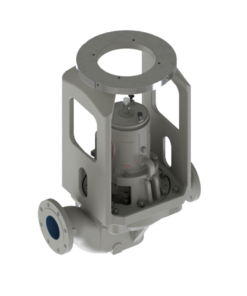
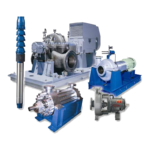
 Pump
Pump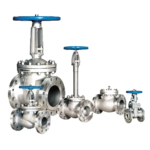 valve
valve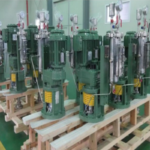 Agitator
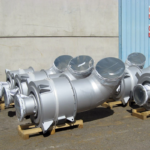 Silencer
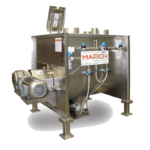 Mixer
Mixer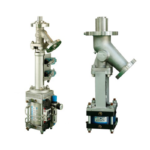 Ram Piston Valve
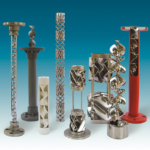 Static Mixer
 Desuperheater
 Filter diffuser
 Control valve
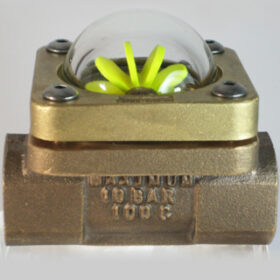 Flow sight glass
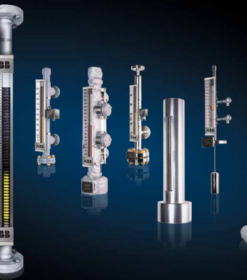 level gavge
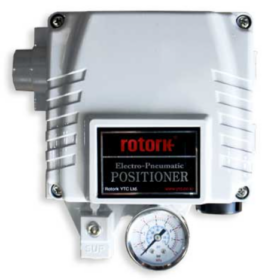 Motor operate valve
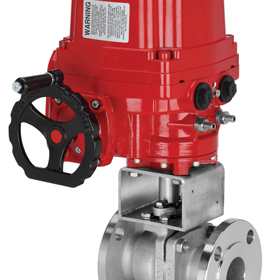 on off valve
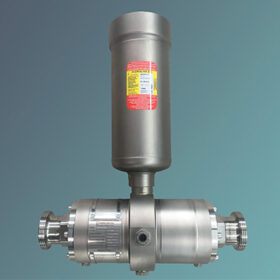 Pulsation damper
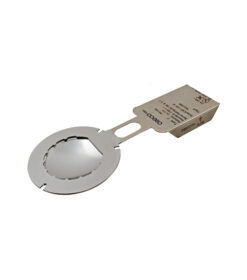 Rupture disc
 ONLINE STOP LEAK
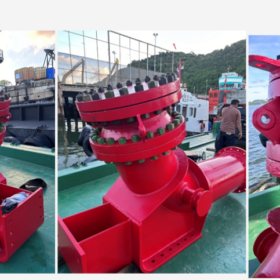 Hydraulic Torque Bolt
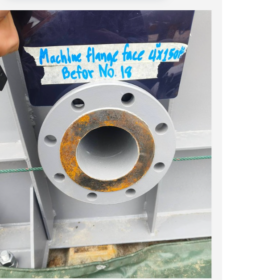 Onsite Machine
 Piping Work
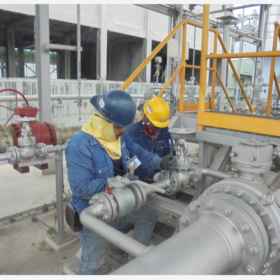 INSTALLATION AND ALIGNMENT AND Rotating Equipment (Pump, boiler ,rotary valve Etc.)
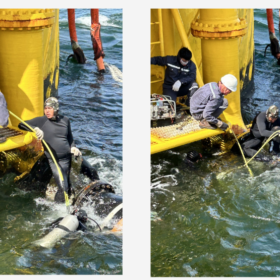 Cold Pipe Cutting Onsite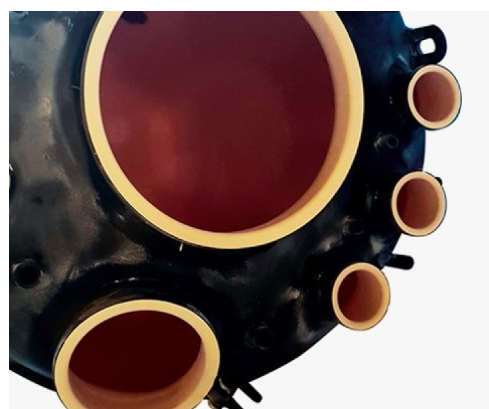

When is Antistatic Glass (ASG) the correct choice for a process?
Glass-lined vessels fully electrically insulate internal media from the ground. Several substances, including, in particular, the organic solvents used in fine chemical or pharma synthesis, are also non-conductive.
High flow speeds of non-conductive media in non-conductive piping, or through stirring in glass-lined reactors, can lead to electrostatically load the media beyond the dielectric strength of the glass. This then results in electrostatic discharge through the glass layer down to the steel wall. The integrity of the glass layer is undermined.
Pfaudler ASG – Anti Static Glass – is the solution to protect the equipment in these cases.
How ASG glass is manufactured:
ASG glass is a modification of WWG white glass. The glass layers are built up as follows:
Ground coat and first cover coats are WWG.
Careful testing of the glass layers and DIN spark test.
Conductive cover coat including silver nanoparticles.
Top cover coat with WWG white.
Conductivity check at 20 kV test voltage: no breakthrough, but response of the test device – no risk of damaging the ASG at 20 kV test.
How ASG glass works:
The discharge of electrostatically loaded media already starts below 1 kV.
Electrostatic load discharges against the steel wall of the equipment.
Electrostatic charge flows through the upper glass layer, without damaging it.
Electrostatic load is distributed over the whole conductive glass layer and discharged through a capacitor effect.